


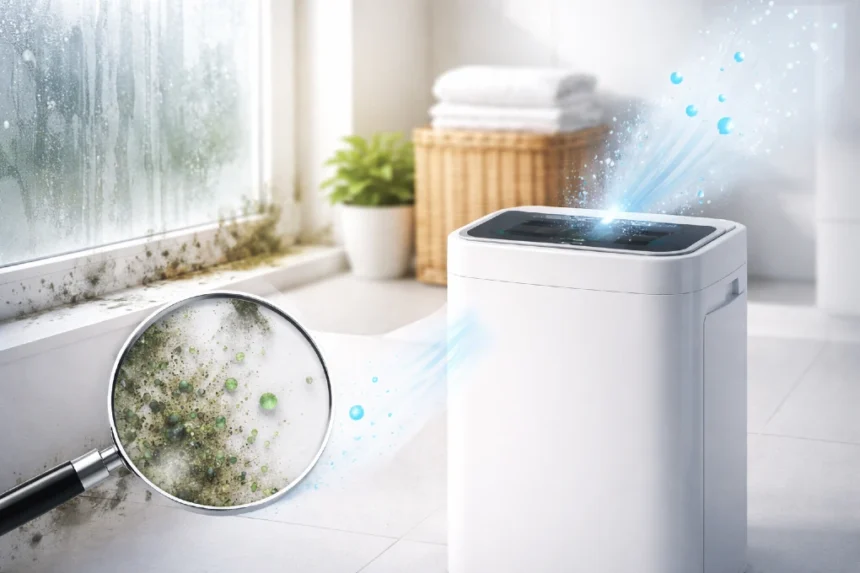
If your home often feels damp, smells musty, or shows dark patches near windows, ceilings, or corners, the real issue is usually not the stain you can see. It is the moisture you cannot. That is where Mould Dehumidification becomes so important. It helps lower excess humidity, keeps indoor air more balanced, and makes it harder for mold to take hold on walls, fabrics, wood, and other surfaces. Health agencies such as the CDC and EPA both recommend keeping indoor humidity low, with EPA saying it should stay below 60 percent and ideally between 30 and 50 percent.
- What indoor moisture is really doing inside your home
- How Mould Dehumidification works in real life
- Why humidity control matters more than surface cleaning
- The ideal humidity range for mold prevention
- Rooms where dehumidification makes the biggest difference
- Signs you may need Mould Dehumidification at home
- What dehumidification can and cannot fix
- Practical ways to make dehumidification work better
- Health and comfort benefits of getting moisture under control
- Common questions people have about mould and humidity
- A realistic example from everyday home life
- Conclusion
A lot of people treat mold like a cleaning problem. They scrub it, repaint over it, or spray a strong product and hope that is the end of it. Sometimes it looks better for a week or two, but then it returns. That happens because mold is usually a moisture problem first and a cleaning problem second. If the air stays humid, the surface stays vulnerable. If the room keeps holding moisture, the cycle repeats.
That is why dehumidification matters. It does not just make a room feel more comfortable. It changes the conditions that allow mold to grow. In practical terms, it helps remove moisture from the air before that moisture settles into drywall, flooring, furniture, insulation, and cool corners of the home. Over time, that can mean fewer mold problems, less damage to materials, and better indoor air quality.
What indoor moisture is really doing inside your home
Indoor moisture builds up more easily than many people realize. Showers release steam. Cooking sends water vapor into the air. Drying clothes indoors adds even more. Breathing, sleeping, houseplants, poor ventilation, roof leaks, plumbing leaks, wet basements, and condensation on cold surfaces all add to the load. When that moisture has nowhere to go, it lingers. Then it settles into soft materials and cooler parts of the building.
The trouble is that dampness does not always look dramatic. Sometimes it shows up as fogged windows in the morning, a wardrobe that smells stale, peeling paint in the bathroom, or a corner wall that always feels cooler than the rest of the room. Those little signs often come before visible mold. By the time mold appears, the space has usually been holding too much moisture for a while.
This is one reason moisture control is such a big topic in building science. When relative humidity stays too high for too long, it raises the chance of condensation and damp materials. That creates ideal conditions for microbial growth and can slowly damage finishes, furnishings, and structural elements. EPA guidance is clear on this point: mold indoors is generally a moisture problem.
How Mould Dehumidification works in real life
At its core, dehumidification means pulling excess water vapor out of the air. A portable dehumidifier does this in a fairly straightforward way. It draws in humid air, removes moisture, collects that water in a tank or drains it away, and sends drier air back into the room. Whole home systems do the same thing on a larger scale and are often integrated with HVAC equipment.
What matters is the result. Drier air reduces the amount of moisture available to settle on cooler surfaces or absorb into porous materials. That means a bathroom may dry faster after a shower. A basement may stop feeling clammy. A bedroom wardrobe may stop developing that damp, closed smell. You may not notice the science happening in the background, but you usually notice the comfort change pretty quickly.
The phrase Mould Dehumidification is especially useful because it points to prevention, not just reaction. You are not waiting for mold to appear and then fighting it. You are changing the indoor environment so mold has a harder time getting started. That shift in mindset makes a big difference in homes where dampness is seasonal, chronic, or linked to design and ventilation issues.
Why humidity control matters more than surface cleaning
It is tempting to focus only on what you can wipe away. But surface cleaning alone does not fix the condition that caused the growth. If the wall behind furniture stays damp, if air circulation is poor, or if humidity keeps climbing after every shower or cooking session, mold can come back even after a thorough cleanup. CDC advice reflects this by pairing mold cleanup with steps such as fixing leaks, improving airflow, and keeping humidity levels down.
Think of it like this. Cleaning removes what is there now. Dehumidification helps prevent what happens next. The two can work together, but one cannot fully replace the other. If the goal is long term control, you need both removal of active contamination and correction of the moisture conditions behind it.
This is also why people are often disappointed after a quick paint job or cosmetic repair. Paint can cover a mark. It cannot lower the humidity inside a damp room. It cannot dry wet insulation behind a wall. It cannot solve condensation caused by cold surfaces and warm moist air. Moisture control has to come first, or the repair stays temporary.
The ideal humidity range for mold prevention
There is a simple number range that comes up again and again in expert guidance. EPA says indoor humidity should stay below 60 percent and ideally between 30 and 50 percent. CDC similarly advises keeping home humidity as low as possible and no higher than 50 percent all day long. Those recommendations are practical because they help reduce conditions that support mold growth while keeping indoor air comfortable for most people.
You do not have to guess where your home stands. A basic hygrometer can show indoor relative humidity, and older CDC guidance notes that humidity meters are inexpensive and useful for monitoring indoor conditions. This makes Mould Dehumidification much easier to manage because you can make decisions based on actual readings instead of how the room feels at one moment.
Interestingly, a 2022 peer reviewed study in a CDC-backed publication found that moderate indoor relative humidity in the 40 to 60 percent range may support healthier indoor conditions in several ways, though the exact health effects depend on the setting and other factors. For homeowners, the takeaway is simple: extreme dampness is not something to ignore, and stable moderate humidity is usually the safer target.
Rooms where dehumidification makes the biggest difference
Some parts of a home struggle more than others. Basements are an obvious example because they are cooler, often poorly ventilated, and more likely to deal with ground moisture or past water intrusion. Even when there is no visible leak, they can feel persistently damp. A dehumidifier in that setting often works not because the room is wet in the dramatic sense, but because the air keeps feeding low level dampness into everything around it.
Bathrooms are another problem zone. Steam builds quickly, and if the fan is weak or rarely used, moisture can linger on grout, ceilings, mirrors, and painted walls. In small bathrooms without windows, dampness can stay trapped long after the shower ends. Dehumidification helps, but so does proper exhaust ventilation to the outside. CDC specifically recommends using exhaust fans in kitchens and bathrooms that vent outdoors.
Bedrooms can surprise people, especially if wardrobes are pushed against cold exterior walls. Air does not move well in those tight spaces, so humidity can build quietly. The same thing happens behind sofas, inside storage rooms, near laundry areas, and around single glazed windows in colder months. These are not always rooms people think of as “wet,” but they often end up being mold prone.
Signs you may need Mould Dehumidification at home
You do not have to wait for heavy mold growth before taking action. In fact, the best time to respond is earlier. If you notice a regular musty smell, frequent window condensation, damp patches that come and go, peeling wallpaper, swollen skirting boards, or a room that never seems to dry out, moisture is already shaping the environment.
Other warning signs are more subtle. Clothes may feel slightly damp in closets. Bedding can seem cool or clammy. Towels take longer to dry. Paper items curl. Leather and wood start reacting to the humidity. These are everyday clues that the indoor moisture load is too high, even before visible mold becomes obvious.
ASHRAE notes that early warning signs can be monitored with low cost tools, including indoor air humidity that remains consistently high. That matters because consistent dampness is usually more revealing than a one off spike after cooking or bathing. A pattern tells you the room is struggling, not just reacting temporarily.
What dehumidification can and cannot fix
Dehumidification is powerful, but it is not magic. It works best when the main issue is high indoor humidity, poor ventilation, seasonal dampness, or moderate moisture buildup from daily living. In those cases, it can make a noticeable difference to comfort, smell, and mold risk.
But if water is entering the home through an active roof leak, broken pipe, rising damp, flooding, failed drainage, or serious structural failure, a dehumidifier alone will not solve it. You may dry the air somewhat, but the source will keep rewetting the building. CDC and EPA both emphasize fixing leaks and water problems promptly because moisture control starts at the source.
That distinction matters because many homeowners buy a unit expecting it to solve everything. Sometimes it does, especially in a basement or bathroom with no major defect. Sometimes it only helps partway because the room is fighting a hidden plumbing problem or water intrusion in the wall cavity. The smartest approach is to treat a dehumidifier as one part of a larger moisture strategy, not the whole strategy by itself.
Practical ways to make dehumidification work better
Dehumidifiers perform best when the rest of the room is set up to support them. That means keeping doors and windows used thoughtfully, not randomly. In a humid outdoor climate, opening windows may actually add moisture. In other situations, brief ventilation helps clear steam and stale air. The right choice depends on the season, outdoor humidity, and the specific room. EPA notes that a humidity gauge can help you decide whether opening windows is likely to help or not.
It also helps to improve airflow inside the room. Pull large furniture a little away from outside walls. Use the bathroom fan during and after showers. Vent the clothes dryer outdoors. Avoid drying laundry indoors unless the area is well ventilated and monitored. These may sound like small habits, but together they reduce the moisture burden your dehumidifier has to manage.
Regular maintenance matters too. Empty the water tank if the unit is not self draining. Clean the filter as directed. Make sure air can circulate around the machine. A poorly maintained unit may still run, but it will often work less efficiently and do a weaker job of moisture removal.
Health and comfort benefits of getting moisture under control
People often start looking into Mould Dehumidification because of property damage, but the health side matters too. WHO’s indoor air quality guidance links dampness and mould exposure with increased respiratory symptoms, allergies, and asthma. WHO also reported that occupants of damp or mouldy buildings can face up to a 75 percent greater risk of respiratory symptoms and asthma.
That does not mean every damp room causes illness in the same way, and it does not mean every person reacts equally. It does mean that indoor dampness is not just a cosmetic issue. When moisture problems persist, they can affect how a home feels, smells, and functions, and they may also worsen symptoms in people who are already sensitive.
On a day to day level, balanced humidity usually feels better too. Rooms feel less sticky in summer, fabrics dry more normally, and that stale damp smell often fades. The result is not only a cleaner home but a more livable one. That is one reason moisture control is so often recommended before expensive redecorating or replacement work.
Common questions people have about mould and humidity
A question that comes up often is whether opening windows is enough. Sometimes it helps, especially if outdoor air is drier than indoor air. But if the outside weather is already humid, open windows can bring in more moisture rather than less. That is why measuring humidity is more reliable than guessing.
Another common question is whether bleach alone solves mold problems. CDC says bleach or dish detergent can be used in some home cleanup situations, but the bigger point is that mold cleanup depends on the extent of water damage and the location of the growth. Also, bleach should never be mixed with ammonia or other cleaners. Most important of all, cleanup still has to be paired with fixing the moisture issue.
People also ask how quickly a dehumidifier works. There is no single answer because room size, outdoor climate, ventilation, hidden moisture, insulation, and the severity of the problem all matter. In some spaces, the difference is obvious in a day or two. In others, especially where there is long term dampness in materials, improvement is more gradual and needs supporting fixes.
A realistic example from everyday home life
Imagine a family using a downstairs room as both laundry storage and a small office. Clothes are sometimes dried indoors, the window stays shut in winter, and one outside wall gets little sun. Nothing looks disastrous, but the room smells stale, paperwork curls at the edges, and dark spotting appears behind a cabinet every few months.
In that kind of space, Mould Dehumidification can change the outcome. Once humidity is tracked, laundry practices are adjusted, furniture is moved slightly off the wall, and a dehumidifier keeps the room in a steadier range, the environment becomes less favorable for repeat growth. The mold may still need to be cleaned properly, but it is much less likely to keep returning for the same reason. That is the real value of moisture control.
Conclusion
The reason Mould Dehumidification helps control indoor moisture is simple but powerful. Mold needs damp conditions, and dehumidification removes one of the main things feeding those conditions. When indoor humidity is kept in a healthier range, surfaces dry faster, condensation is easier to manage, and rooms become less welcoming to mold growth.
That does not mean every moisture problem can be solved with one machine. Leaks still need repair. Ventilation still matters. Damp materials may still need professional attention. But when high humidity is part of the problem, dehumidification is one of the most practical ways to change the indoor environment for the better. It supports cleaner air, protects finishes and furnishings, and makes everyday spaces feel more comfortable to live in. For many homes, it is not an extra step. It is the step that makes every other mold prevention effort actually stick. You can read more about indoor mold in the wider context of home moisture and remediation.