


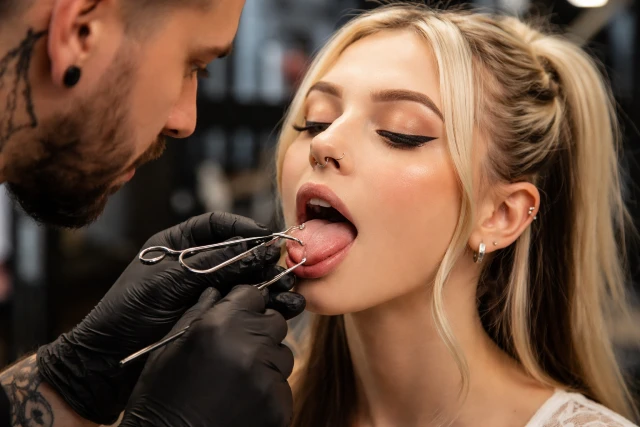
The Snake Eyes Piercing has become one of the most talked about tongue piercing aesthetics because it creates a bold “two points” look right at the tip of the tongue. In photos and short videos, it reads instantly: edgy, playful, and a little rebellious. That’s why Snake Eyes Piercing content often goes viral in alternative fashion circles, especially among people who love statement accessories and dramatic details. But this piercing also comes with a serious reality that gets skipped in trend posts: many dental and health authorities warn that oral piercings can cause significant complications, including damage to teeth and gums.
- What is a Snake Eyes Piercing?
- Why the Snake Eyes Piercing trend is so popular in fashion
- The look and vibe: who it tends to appeal to
- Jewelry styles and materials that define the fashion
- Styling ideas: how it’s worn in real life
- Comfort and healing: what gets glossed over in trend posts
- The serious side: risks and why professionals warn against it
- Oral aftercare basics, in a fashion-friendly way
- What “good style” looks like in this trend
- A quick style guide: choosing the vibe you want
- Common questions people ask about Snake Eyes Piercing
- Conclusion: the trend is real, and so are the tradeoffs
This guide covers both sides in a clean, fashion-forward way: the aesthetic, jewelry choices, styling ideas, and what’s really involved with comfort, healing, and long term wear. For more trending style topics, you can visit Snake Eyes Piercing.
What is a Snake Eyes Piercing?
A Snake Eyes Piercing is a horizontal tongue piercing placed near the very tip of the tongue, usually using a curved barbell so the two ends sit on top and look like “snake eyes” when the tongue is extended. That distinctive placement is exactly what makes it trendy in fashion content, and also what makes it controversial in professional and medical discussions.
Unlike a standard midline tongue piercing, snake eyes sits across tongue tissue that moves constantly during speaking, eating, swallowing, and even sleeping. That movement matters, because friction and pressure are major drivers of irritation and oral trauma over time. Dental organizations highlight that tongue jewelry can contribute to tooth damage, gum recession, and other oral health issues.
Why the Snake Eyes Piercing trend is so popular in fashion
Fashion loves details that photograph well. Snake Eyes Piercing is basically built for close-ups:
- It creates a symmetrical highlight on the tongue
- It adds a “hidden accessory” effect that feels personal and bold
- It pairs naturally with alt makeup, gothic aesthetics, and streetwear styling
- It looks dramatic even with minimal jewelry
In trend culture, it also has that “insider” vibe. People see it and immediately know it’s intentional, not accidental. That kind of visual identity is why unusual piercings often cycle in and out of fashion.
The look and vibe: who it tends to appeal to
Snake Eyes Piercing is usually associated with these style directions:
Alternative and Snake Eyes Piercing aesthetics
Think dark tones, heavy eyeliner, graphic tees, leather, chains, and chunky boots. The piercing becomes another metal detail that matches the overall theme.
Minimal but provocative Snake Eyes Piercing
Some people prefer a clean, neutral wardrobe but use one unexpected detail to add attitude. A small, polished barbell can work like that.
Cyber and futuristic street style
Chrome jewelry, glossy finishes, and sharp silhouettes pair naturally with tongue jewelry because the materials feel “techy.”
Playful rebellious fashion
Snake eyes can be styled with bright hair, fun makeup, and colorful accessories for a “cute but fearless” vibe.
Jewelry styles and materials that define the fashion
The jewelry is where most of the styling happens. In trend posts, the piercing may look “simple,” but small choices change the entire vibe.
Common jewelry shape used
Most snake eyes piercings are shown with a curved barbell so the ends sit visibly like two points. Straight jewelry is not typically associated with the classic snake eyes look, because the placement and tissue movement can make comfort and positioning more complicated.
End styles that change the aesthetic
- Beads (balls): clean, classic, minimal
- Spikes: aggressive, punk, high contrast
- Gems: glam, reflective, photo-ready
- Flat ends: subtle, less “sharp” visually
Materials people look for (and why it matters)
In fashion content, you’ll hear a lot of casual talk about “stainless steel” vs “titanium.” The reason this matters is not just style, it’s irritation risk in the mouth. Professional aftercare guidance for oral piercings emphasizes using quality jewelry and following hygiene rules closely because the mouth is a warm, bacteria-rich environment.
A practical fashion lens: if a piece causes irritation, swelling, or repeated discomfort, it stops being “aesthetic” and starts being a problem.
Styling ideas: how it’s worn in real life
Fashion styling for tongue jewelry is a little different from ear or nose jewelry because it’s not always visible. That’s why most styling is about “moments” rather than constant display.
1) The makeup pairing strategy
Snake eyes is commonly paired with:
- Glossy lips or lip liner looks
- Dark lipstick or ombré lips in alt styles
- Bold eye makeup that matches metallic jewelry
It works because face styling creates a frame, and the piercing becomes the surprise detail.
2) The metal matching strategy
People often match tongue jewelry tone to:
- Earrings
- Chains
- Rings
- Grill style accessories (when used)
This is the fastest way to make the piercing feel like part of a full outfit, not a random addition.
3) The “one statement detail” strategy
If the outfit is minimal, the piercing becomes the standout. This is common with:
- Clean streetwear
- Neutral palettes
- Simple hair and makeup
- One sharp accessory theme
4) Photo and content styling
Because this piercing is mainly “seen” in photos, it’s often styled with:
- Close-up portrait content
- Playful expressions
- Angled lighting to catch the jewelry shine
- High contrast makeup
Comfort and healing: what gets glossed over in trend posts
Trend videos make everything look easy. Real healing rarely is.
For oral piercings in general, healing timelines vary widely depending on care, jewelry, and individual biology. Some mainstream health resources describe typical tongue piercing healing in the range of about 6 to 8 weeks for complete healing, while acknowledging that experiences differ. Dental education resources also note oral piercings can take months in many cases and complications can extend healing.
Snake eyes adds an extra layer: its placement at the tip and horizontal angle can increase movement, friction, and contact with teeth. This is a big reason it’s considered higher risk than many other oral piercings.
The serious side: risks and why professionals warn against it
Because this article is a fashion guide, it’s tempting to keep it purely aesthetic. But snake eyes is one of those trends where the risk conversation is part of the truth. Dental organizations warn that oral piercings can lead to infection, swelling, damage to teeth, gum problems, and other complications.
Research reviews and clinical discussions repeatedly connect tongue piercings with:
- Dental fractures and chipping
- Enamel wear
- Gingival recession
- Localized tissue problems
- Infections and inflammatory issues
A systematic review in the oral health literature highlights complications and the need for clinician awareness, including gum recession and dental damage. A more recent narrative review also summarizes dental fractures, gingival recession, enamel wear, and infection risks linked to tongue piercings.
Why snake eyes is often flagged as especially risky
Snake eyes is frequently described as controversial because:
- It can press into or rub against teeth more easily due to its position
- It crosses a section of the tongue that moves intensely
- The jewelry can create repeated trauma to gums and teeth over time
- Swelling at the tip can feel more disruptive in daily life
If you see a piercer refusing snake eyes, that refusal is commonly rooted in these anatomical and dental concerns, not in “judgment” about someone’s style.
Oral aftercare basics, in a fashion-friendly way
Aftercare is not glamorous, but it determines whether the “look” lasts.
The Association of Professional Piercers provides oral aftercare guidance that focuses on hygiene, avoiding irritation, and carefully managing swelling and oral bacteria exposure. Dental organizations also emphasize that oral piercings can introduce infection risks and complications, which makes proper care and monitoring important.
Here are the aftercare themes that show up consistently in professional guidance:
- Keeping the mouth clean and reducing bacterial load
- Avoiding unnecessary trauma during healing
- Monitoring swelling, pain changes, and signs of infection
- Choosing appropriate jewelry quality and fit
- Seeking professional evaluation when symptoms escalate
Because the mouth heals differently than skin piercings, casual “do nothing” habits can backfire quickly.
What “good style” looks like in this trend
In piercing fashion, good style is not only the jewelry. It’s the whole presentation.
A polished snake eyes look usually means
- Jewelry size that looks intentional, not oversized
- A metal tone that matches other accessories
- Clean oral hygiene and overall grooming
- Styling that fits the vibe (alt, minimal, glam, street)
If the jewelry constantly clashes with the rest of the styling, it looks like a random impulse. If it matches the aesthetic, it looks like part of a deliberate identity.
A quick style guide: choosing the vibe you want
Here’s a practical way to decide the “look” without overthinking.
Minimal aesthetic
- Small beads
- Smooth metal finish
- Neutral makeup
- Simple accessories
Punk or gothic aesthetic
- Spiked ends
- Dark lipstick
- Chains, rings, leather details
Glam aesthetic
- Gem ends
- Glossy lip looks
- Highlighted makeup and clean nails
Futuristic street aesthetic
- Titanium or chrome look
- Sleek eyeliner
- Metallic accessories and clean silhouettes
Common questions people ask about Snake Eyes Piercing
Is Snake Eyes Piercing just a fashion trend?
It’s both a fashion trend and a body modification with real health considerations. Trend culture highlights the look, while dental and medical sources focus on risks like tooth damage, gum recession, and infection potential.
Why do some piercers refuse it?
Because the placement can increase the chance of oral trauma and long term dental issues. Professional and dental guidance broadly warns about oral piercing complications, and snake eyes is often viewed as higher risk due to its position and movement.
What are the most common problems with tongue jewelry?
Across oral piercing literature, repeated themes include chipped teeth, gum recession, tissue irritation, and infection.
How long does healing usually take?
Tongue piercing healing is often described as weeks to a couple of months, with variation depending on care and complications.
Conclusion: the trend is real, and so are the tradeoffs
The Snake Eyes Piercing is undeniably eye-catching in fashion content. It photographs well, fits multiple aesthetics, and delivers a bold “statement accessory” vibe without needing a full outfit overhaul. But it also sits in a category where style and risk are tied together. Dental authorities and oral health research consistently connect tongue piercings with complications like tooth damage, gum recession, enamel wear, and infection risks. If you’re exploring the trend for aesthetic reasons, understanding those realities is part of making it a fully informed fashion choice, not just a viral moment.
In a wider style context, piercings are part of body art culture, and you can explore the background of body piercing to see how trends evolve across different communities and eras.