


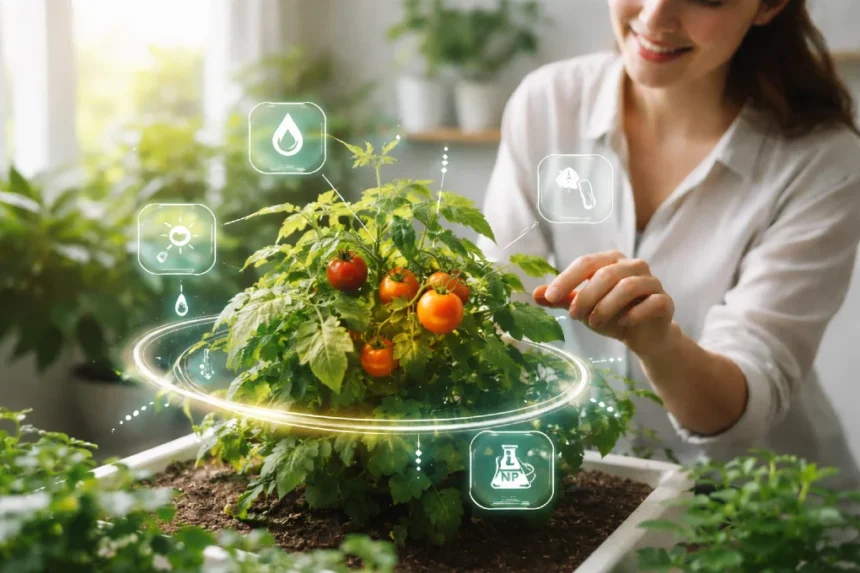
If you have ever stood in your living room holding a plant and wondering whether it needs more sun, less water, or a completely different corner of the house, you are not alone. Plant Augmented Reality is starting to make that everyday guesswork much easier. Instead of relying only on memory, generic care cards, or trial and error, people can now use digital overlays, plant scanning tools, and AR-powered visual features to understand what is happening with their plants in real time.
- What Plant Augmented Reality actually means
- Why home gardeners are paying attention
- How Plant Augmented Reality works in real life
- The biggest benefits of Plant Augmented Reality at home
- Where Plant Augmented Reality is most useful
- What Plant Augmented Reality still cannot do well
- How to use Plant Augmented Reality in a smart way
- Plant Augmented Reality and the future of everyday gardening
- Conclusion
That is what makes Plant Augmented Reality so interesting for home gardeners. It brings digital information into the physical space where your plants actually live. You can point your phone at a room, visualize where a planter might fit, compare leaf shapes while identifying a species, or use smart tools that blend plant care data with what your camera sees. Researchers reviewing extended reality in agriculture have found growing use cases for visualization, training, guidance, and decision support, which helps explain why similar ideas are becoming more useful for everyday gardening too.
For people who love houseplants, balcony herbs, raised beds, or small backyard gardens, Plant Augmented Reality feels practical because it solves real problems. It helps answer common questions faster, reduces avoidable mistakes, and makes gardening more interactive. In a home setting, that matters because most people are not managing a commercial greenhouse. They are just trying to keep a monstera healthy, figure out where basil will thrive, or plan a better layout for a small patio.
What Plant Augmented Reality actually means
Plant Augmented Reality refers to using augmented reality features to place digital information, visuals, or interactive guidance on top of the real-world gardening environment. In simple terms, your phone or tablet camera shows your actual room, shelf, balcony, or garden bed, then software adds useful digital content on the screen.
That content can take different forms. Sometimes it is a 3D plant preview that lets you see how a snake plant or fiddle leaf fig may look in your home before you buy it. Sometimes it is a plant care overlay that helps you identify species, compare spacing, or understand growth patterns. In more advanced cases, Plant Augmented Reality connects with plant databases, machine learning, or smart gardening systems to make care decisions more precise. Research on AR systems in agriculture and horticulture shows that these tools are especially valuable when users need visual guidance in a real setting instead of abstract instructions on a separate screen.
This is why Plant Augmented Reality fits home gardening so well. Gardening is physical. You need to see space, light, height, containers, and arrangement. Plain text advice often feels too generic, but AR can make that advice feel tied to your actual environment.
Why home gardeners are paying attention
Home gardening has changed a lot over the last few years. More people are keeping indoor plants, growing herbs in apartments, and turning patios into small green spaces. At the same time, phones have become more capable, plant care apps have improved, and visual tools are now a normal part of shopping, design, and lifestyle decisions.
Plant Augmented Reality sits right at that intersection. It combines the emotional appeal of plants with the convenience of digital tools. You do not need to be a tech expert to appreciate it. If an app can help you preview plant placement, identify a plant faster, or avoid overwatering, the value is immediate.
There is also a lifestyle angle that matters. Gardening is not just about decoration. It is tied to wellbeing, routine, and the feeling of caring for something alive. The Royal Horticultural Society notes that plants and gardening can support wellbeing, with some studies reporting reduced fatigue and headaches and broader mental and physical health benefits from engagement with plants and green spaces. When people feel more confident caring for plants through Plant Augmented Reality, they are more likely to stick with the hobby rather than give up after a few failed attempts.
How Plant Augmented Reality works in real life
The easiest way to understand Plant Augmented Reality is to look at what it can do at home.
A common use is visual placement. You open an app, scan part of a room, and preview how a plant or planter would look in that exact spot. This is especially helpful when choosing size, height, and style. A plant that looks perfect in a product photo may feel too large for a shelf or too small for an entryway. AR solves that by showing scale more realistically.
Another use is plant identification. Some modern tools combine camera recognition with digital modeling and AR-style visualization. A recent study on indoor plant recognition introduced a system called PlantView that integrates deep learning with 3D AR visualization, allowing users to identify indoor plants and interact with digital plant models in their actual surroundings. That kind of approach matters because identification is the first step in good care. If you misidentify a plant, almost every care decision after that can go wrong.
Plant Augmented Reality can also support garden planning. Imagine marking out a balcony or small yard and seeing where herbs, flowers, or raised beds could go before buying anything. You can test spacing visually, compare container layouts, and reduce clutter before you move a single pot. This is useful for beginners, but it is also surprisingly helpful for experienced gardeners who want to make a small space work better.
Then there is guided care. In agriculture and smart greenhouse research, AR is already being explored for real-time overlays, operational guidance, and data-rich decision support. At the home level, this can translate into prompts about watering intervals, plant placement, light suitability, and growth expectations. The technology is simpler than industrial systems, but the core idea is the same. The user sees advice in context, not as disconnected information.
The biggest benefits of Plant Augmented Reality at home
One of the strongest benefits of Plant Augmented Reality is confidence. New plant owners often struggle because plant care advice can be vague. Bright indirect light sounds simple until you have to figure out which corner of your apartment actually offers it. AR tools help make those abstract ideas easier to apply.
It also saves time. Instead of opening multiple tabs, reading long care forums, and comparing photos, a user can scan, preview, or visualize solutions more quickly. That speed matters because the easier plant care feels, the more likely people are to stay engaged.
Another major benefit is better planning. Home gardeners often buy plants first and think about placement later. That leads to crowded windowsills, mismatched containers, or poor visual balance in a room. Plant Augmented Reality encourages planning before spending. You can test ideas digitally, which is useful for both aesthetics and plant health.
There is also an educational benefit. Studies on immersive and AR-supported learning in garden and horticulture contexts suggest that these tools can improve engagement and help users better understand plant-related environments and tasks. For home gardeners, that means learning by seeing, not just reading. Over time, that can build real gardening skill.
Where Plant Augmented Reality is most useful
Plant Augmented Reality is especially useful in small spaces. Apartment dwellers, renters, and urban gardeners usually need to be more intentional with every shelf, ledge, and corner. AR previews can help them avoid buying plants that outgrow their space or placing plants where airflow and light are poor.
It is also useful when shopping online. Buying plants, containers, or garden accessories online always carries a bit of uncertainty. AR visualization reduces that risk. You can get a better sense of scale and fit before ordering.
For families and casual hobbyists, Plant Augmented Reality can make gardening more interactive. A child who may not care about a written care label might be much more interested in a visual plant experience on a tablet. That can turn plant care into a shared activity rather than a chore.
It also helps people who like design as much as gardening. Many homeowners want plants to improve the look and feel of a room, not just the air or mood. Plant Augmented Reality helps bridge interior styling and practical plant care, which is why this topic fits both Technology and Home Improvement so naturally.
What Plant Augmented Reality still cannot do well
As promising as Plant Augmented Reality is, it is not magic. It can help with decisions, but it cannot replace observation, patience, or basic plant knowledge.
A phone camera cannot always tell you everything about soil condition, pests, root rot, or seasonal stress. Even strong plant recognition tools have limits, especially when a plant is damaged, immature, or photographed in poor lighting. Research in digital twin and immersive greenhouse systems also points to practical challenges around usability, comfort, data quality, and real-world integration. That same principle applies at home. A slick interface does not automatically equal perfect care advice.
Another limitation is that AR is only as useful as the information behind it. If the plant database is weak or the care logic is too generic, the result may still be misleading. Plant Augmented Reality works best when it combines good visual technology with strong horticultural information.
How to use Plant Augmented Reality in a smart way
The best way to use Plant Augmented Reality is as a support tool, not a replacement for gardening instinct. It should make your decisions easier, but it should not be the only thing guiding them.
Start with room planning. Before buying new plants, use AR visualization to test size, placement, and layout. This can stop impulse buys that look great online but make no sense in your space.
Next, use Plant Augmented Reality for identification and care support. If you inherit a plant, forget the name, or are comparing similar species, scanning tools can speed up the process. Once you have a likely match, cross-check the care basics with a trusted source rather than assuming the first app result is perfect.
It also helps to track patterns manually. Even with smart visuals, keep a simple note of watering frequency, leaf changes, and location performance. That way you can compare the app’s advice with what your plant is actually doing in your home.
Finally, keep your expectations realistic. Plant Augmented Reality can improve decision-making, but healthy plants still depend on light, water, drainage, humidity, and consistency. Good technology helps. Good habits matter more.
Plant Augmented Reality and the future of everyday gardening
The long-term appeal of Plant Augmented Reality is not just novelty. It is the way it can make plant care more visual, more intuitive, and more personalized.
As research in agriculture, horticulture, and smart greenhouse interfaces continues to expand, home gardening tools will likely become more capable too. Reviews of XR in agriculture and newer work on human computer interaction in greenhouse systems show continued interest in interfaces that merge real-world environments with useful digital data. At the consumer level, that could mean better light analysis, more accurate care prompts, smarter placement simulations, and richer plant education built directly into everyday mobile apps.
What makes this especially compelling is that gardening already rewards attention. Technology tends to work best when it supports habits people want to build anyway. Plant Augmented Reality does exactly that. It does not replace the pleasure of caring for plants. It lowers the friction that often makes plant care feel confusing or inconsistent.
That is why this trend matters. It is not just about seeing a digital plant on your screen. It is about helping real people make better choices in real homes with real plants.
In the end, Plant Augmented Reality feels most useful when it stays practical. It helps beginners feel less overwhelmed. It helps busy homeowners plan before buying. It helps plant lovers blend design, care, and technology in a way that feels natural. And as digital gardening tools become more refined, Plant Augmented Reality may turn into one of the most useful everyday upgrades for anyone trying to build a greener home.
If you are curious about the broader idea behind augmented reality, it helps explain why these tools feel so intuitive. They do not take you out of your environment. They add helpful context to the environment you are already in. That is exactly why Plant Augmented Reality has so much potential for smarter gardening at home.
Plant care has always been part observation, part routine, and part personal experience. Plant Augmented Reality does not change that foundation. It simply gives home gardeners a sharper lens. When used well, it can make gardening less uncertain, more creative, and far more enjoyable.
Conclusion
Plant Augmented Reality is becoming a practical tool for people who want smarter, easier, and more confident gardening at home. From visual plant placement and species identification to better planning and more contextual care support, Plant Augmented Reality turns gardening advice into something you can actually see and use in your own space. For modern home gardeners, that makes the experience more efficient, more engaging, and more likely to succeed.