


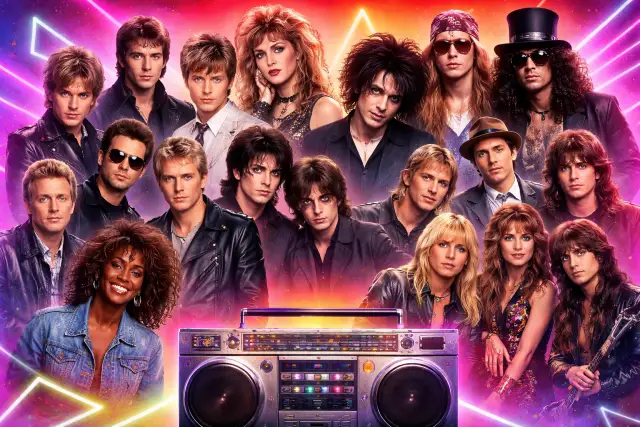
The music of the 1980s did more than dominate radio charts. It shaped attitudes, fashion, friendships, and entire lifestyles. When people talk about nostalgia, they are often really talking about 80s bands. This was the era of big hooks, bold personalities, unforgettable music videos, and songs that still fill stadiums and playlists decades later.
- Why 80s bands Still Matter Today
- The Rise of MTV and Visual Identity
- Iconic 80s bands That Defined a Generation
- Pop Powerhouses That Ruled the Charts
- Rock Legends Who Defined the Sound of the 80s
- New Wave Bands That Changed Pop Music
- One-Hit Wonders That Still Define the Era
- How 80s bands Influenced Fashion and Culture
- The Technology That Shaped the Sound
- Frequently Asked Questions About 80s bands
- The Lasting Legacy of 80s bands
- Conclusion
From neon-lit pop anthems to gritty rock ballads, 80s bands captured the mood of a generation finding its voice in a rapidly changing world. MTV was new, synthesizers were everywhere, and bands were no longer just heard, they were seen. That visual and emotional connection is a big reason why the music still feels alive today.
In this ultimate throwback list, we explore the most influential 80s bands, what made them special, and why their legacy continues to define modern music.
Why 80s bands Still Matter Today
The 1980s marked a turning point in how music was created and consumed. Technology changed the sound, while culture changed the message. Bands were experimenting with new instruments, new looks, and new ways to connect with fans.
Here is why 80s bands remain relevant decades later:
• They pioneered music video storytelling
• They blended genres like pop, rock, punk, and new wave
• They influenced today’s biggest artists
• Their songs are still used in movies, ads, and social media
According to data from the Recording Industry Association of America, catalog music from the 1980s continues to see strong streaming growth, especially among younger listeners. That says a lot about the staying power of this era.
The Rise of MTV and Visual Identity
Before the 1980s, music was mostly about sound. With the launch of MTV in 1981, everything changed. 80s Bands suddenly needed a visual identity as strong as their music.
This shift benefited artists who embraced creativity and image. Some bands leaned into bold fashion, others focused on cinematic storytelling. Either way, it helped transform bands into cultural icons.
MTV did not just play songs. It created stars.
Iconic 80s bands That Defined a Generation
The Beatles of the MTV Era: Duran Duran
Duran Duran became one of the first true video stars. Their music videos were filmed like short films, often in exotic locations. Songs like Hungry Like the Wolf and Rio combined catchy pop melodies with stylish visuals.
Why they mattered:
• They proved image and music could coexist
• They helped define the New Romantic movement
• They set a standard for music videos
U2 and the Sound of Social Awareness
While many bands focused on style, U2 focused on substance. Their lyrics tackled politics, faith, and human rights, while their sound grew from raw post-punk to epic arena rock.
Albums like The Joshua Tree became defining records of the decade.
Key impact:
• Politically conscious songwriting
• Massive global tours
• Long-term cultural relevance
Guns N’ Roses and the Return of Raw Rock
In the late 80s, Guns N’ Roses shook the polished pop-rock scene with raw energy. Appetite for Destruction felt dangerous, emotional, and real.
They reminded audiences that rock music could still be unpredictable.
Why they stood out:
• Gritty lyrics and aggressive sound
• Authentic street-level attitude
• One of the best-selling debut albums ever
Pop Powerhouses That Ruled the Charts
Wham! and Feel-Good Pop
Wham! brought joy and simplicity to pop music. Their upbeat songs, bright visuals, and carefree energy made them a staple of the decade.
Even today, Wake Me Up Before You Go-Go remains a feel-good anthem.
Culture Club and Breaking Boundaries
Culture Club stood out not just for their music but for their message. Frontman Boy George challenged gender norms at a time when that was rare in mainstream media.
Their success proved audiences were ready for diversity and self-expression.
Notable achievements:
• Global chart success
• Genre-blending sound
• Cultural influence beyond music
Rock Legends Who Defined the Sound of the 80s
Bon Jovi and Arena Rock Anthems
Bon Jovi mastered the art of stadium-ready rock. Songs like Livin’ on a Prayer and You Give Love a Bad Name were built to be sung by thousands.
They connected with fans through relatable stories of love, struggle, and hope.
Why they lasted:
• Strong songwriting
• Memorable choruses
• Consistent evolution
Def Leppard and Polished Power
Def Leppard combined hard rock with pop sensibility. Their album Hysteria produced multiple hit singles and helped define the glam metal sound.
They showed that heavy music could also be melodic and radio-friendly.
New Wave Bands That Changed Pop Music
Depeche Mode and Dark Synth Sounds
Depeche Mode took synthesizers into darker, more emotional territory. Their music explored themes of desire, faith, and isolation.
They influenced countless electronic and alternative artists.
Lasting impact:
• Mature lyrical themes
• Innovative production
• Loyal global fanbase
The Cure and Emotional Expression
The Cure proved that melancholy could be mainstream. Their sound ranged from upbeat pop to deeply emotional ballads.
Songs like Just Like Heaven remain timeless.
Why they mattered:
• Emotional honesty
• Unique visual style
• Influence on alternative music
One-Hit Wonders That Still Define the Era
Not every band enjoyed long-term success, but some left an unforgettable mark with a single song.
Popular examples include:
• A-ha with Take On Me
• Soft Cell with Tainted Love
• Dexys Midnight Runners with Come On Eileen
These songs remain cultural touchstones and are instantly recognizable.
How 80s bands Influenced Fashion and Culture
Music and fashion were inseparable in the 1980s. Bands inspired hairstyles, makeup, clothing, and attitudes.
Common fashion trends driven by bands:
• Leather jackets and ripped jeans
• Big hair and bold makeup
• Neon colors and layered accessories
This influence extended beyond concerts into everyday life, shaping youth culture worldwide.
The Technology That Shaped the Sound
The 1980s introduced digital recording, drum machines, and synthesizers into mainstream music. These tools allowed bands to experiment with new textures and sounds.
Key innovations included:
• MIDI technology
• Affordable synthesizers
• Multi-track recording
These advances changed how music was produced and consumed.
Frequently Asked Questions About 80s bands
What made 80s bands different from earlier eras?
80s bands embraced technology, visual storytelling, and genre blending more than previous generations.
Why are 80s bands still popular today?
Their music is catchy, emotionally resonant, and deeply connected to cultural memories.
Which genre dominated the 80s?
Pop and rock dominated, but new wave, synth-pop, and glam metal were also hugely influential.
The Lasting Legacy of 80s bands
The influence of 80s bands extends far beyond nostalgia playlists. Modern artists frequently sample, cover, or reference music from this era. Streaming platforms show consistent interest, and reunion tours continue to sell out worldwide.
Even today, many listeners discover these bands for the first time through movies, TV shows, and viral clips. The emotional connection remains just as strong.
If you look closely at modern pop, rock, and electronic music, you can still hear echoes of that era. From production techniques to fashion choices, the DNA of 80s bands is everywhere.
For historical context and deeper background, the broader evolution of popular music is well documented in music history , especially when exploring influential decades and genre shifts in the last paragraphs of cultural discussions.
Conclusion
The 1980s were not just a decade of music. They were a movement. 80s bands gave people an identity, a soundtrack, and a sense of belonging. They pushed boundaries, embraced technology, and turned music into a full sensory experience.
Whether you lived through the era or discovered it later, the impact is undeniable. These bands did not just define a generation. They continue to inspire new ones.
Their songs still play. Their stories still matter. And their legacy remains timeless.