


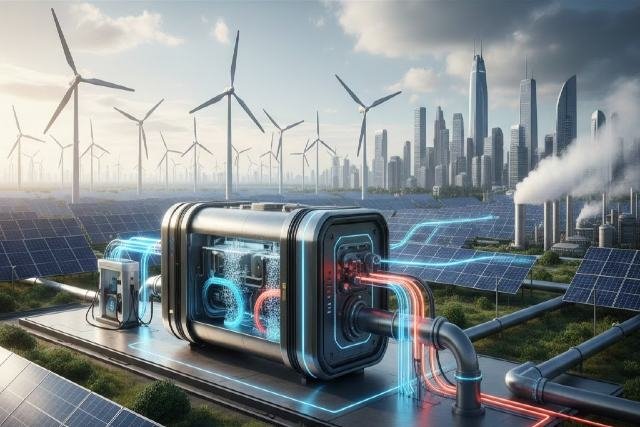
A hydrogen generator is emerging as one of the most important clean energy technologies shaping the global shift toward sustainability. Within the first steps of adopting a hydrogen energy system, businesses, governments, and homeowners are increasingly turning to hydrogen generators for their ability to produce clean, efficient, and scalable power on demand. As the world moves away from fossil fuels, this technology is becoming a central pillar of future energy infrastructure, offering a reliable pathway toward zero-emission power generation.
- How a Hydrogen Generator Works in a Modern Hydrogen Energy System
- Why Hydrogen Generators Are Becoming Essential in Clean Energy Transition
- Key Applications of Hydrogen Generators Across Industries
- Integrating Hydrogen Generators With Renewable Energy
- Environmental Impact and Sustainability of Hydrogen Generators
- Challenges and Future Potential of Hydrogen Generator Technology
- Case Study: Hydrogen Generators in Microgrid Applications
- Real-World Benefits for Homeowners and Small Businesses
- Frequently Asked Questions About Hydrogen Generators
- Conclusion: How Hydrogen Generators Are Shaping a Cleaner Future
How a Hydrogen Generator Works in a Modern Hydrogen Energy System
A hydrogen generator converts water, biomass, or hydrocarbons into pure hydrogen through processes such as electrolysis, reforming, or gasification. In an advanced hydrogen energy system, hydrogen becomes the primary fuel used for electricity production, heating, industrial operations, and even transportation. What makes these systems particularly efficient is their ability to integrate with renewable sources like solar and wind power. By using surplus energy to produce hydrogen, the generator acts as both a power creator and long-term storage unit, addressing the intermittent nature of renewables.
Electrolysis-based hydrogen generators split water into hydrogen and oxygen using electricity. When this electricity is sourced from renewables, the hydrogen produced is almost completely carbon-free. Institutions such as the International Energy Agency (IEA) highlight hydrogen’s crucial role in deep decarbonization, reporting that green hydrogen could reduce global CO₂ emissions significantly by replacing fossil fuels across several industries.
Why Hydrogen Generators Are Becoming Essential in Clean Energy Transition
One reason hydrogen generators are gaining rapid adoption is their high efficiency combined with low environmental impact. Unlike combustion-based generators, hydrogen units operate without releasing greenhouse gases, soot, or harmful pollutants. As countries implement more aggressive climate policies, hydrogen technology offers a scalable solution that does not rely on rare-earth minerals or heavy battery storage.
The economic landscape is shifting as well. According to research from BloombergNEF, the cost of renewable-powered electrolysis is projected to fall by up to 70% by 2030 as production scales and technology improves (https://about.bnef.com/blog/). Lower costs mean hydrogen generators will become more accessible for commercial and residential use, expanding their role in global energy markets.
Key Applications of Hydrogen Generators Across Industries
Hydrogen generators are versatile and used across multiple sectors that require steady, efficient, and clean power. In heavy industries such as steelmaking, chemical manufacturing, and refineries, hydrogen serves as both a fuel and a raw material. Replacing traditional fossil-fuel inputs with hydrogen significantly reduces carbon emissions, making production cleaner and more environmentally responsible.
In the transportation industry, hydrogen generators support the growth of fuel-cell vehicles by enabling on-site hydrogen production at refueling stations. These vehicles operate with zero tailpipe emissions and have refueling times similar to gasoline cars. Public transit systems in Europe and Asia have already adopted hydrogen-powered buses, offering a real-world example of how the technology is transforming mobility.
Hydrogen generators also benefit commercial buildings and remote operations where grid power is unstable or unavailable. Emergency backup systems, off-grid research facilities, and data centers rely on hydrogen for clean and dependable energy. This adoption reduces operational risks associated with blackouts and minimizes reliance on diesel generators.
Integrating Hydrogen Generators With Renewable Energy
One of the strongest advantages of hydrogen generators is their synergy with renewable resources. When wind or solar farms produce excess energy, a hydrogen generator can convert it into hydrogen for later use, stabilizing the grid and preventing energy waste. This function turns hydrogen into a long-duration storage medium, something battery systems cannot accomplish at large scale.
Countries with ambitious renewable strategies, such as Germany and Japan, use hydrogen generators to strengthen energy independence. Their hydrogen energy systems integrate directly with national grids, ensuring consistent power even when solar or wind output fluctuates. This approach creates a more stable and resilient energy infrastructure that supports long-term sustainability goals.
Environmental Impact and Sustainability of Hydrogen Generators
The environmental benefits of hydrogen generators extend far beyond zero emissions during operation. When combined with green hydrogen production methods, the entire lifecycle of energy generation becomes environmentally responsible. Hydrogen eliminates harmful pollutants, reduces reliance on coal and natural gas, and contributes to the global effort to slow climate change.
Studies from the National Renewable Energy Laboratory (NREL) show that hydrogen-based systems can reduce lifecycle emissions by more than 90% compared to traditional fuel sources when powered by renewables. These systems also require fewer natural resources, making them more sustainable in both production and long-term use.
Challenges and Future Potential of Hydrogen Generator Technology
Although hydrogen generators offer transformative potential, challenges remain. Infrastructure is still developing, and many regions lack enough hydrogen pipelines, storage facilities, or fueling stations. Production costs, while declining, can still be a barrier for small businesses or households.
However, many of these challenges are being addressed through government incentives, private-sector investment, and international collaboration. Ongoing research focuses on improving generator efficiency, reducing materials costs, and expanding renewable-powered hydrogen production. As adoption increases, economies of scale will naturally lower costs, making hydrogen generators mainstream.
Innovations such as high-temperature electrolysis, solid oxide fuel cells, and decentralized hydrogen networks are accelerating development. These advancements will make hydrogen more accessible and affordable, supporting broader use across homes, industries, and entire nations.
Case Study: Hydrogen Generators in Microgrid Applications
One compelling example of hydrogen generator innovation is their implementation in microgrids. In remote communities and disaster-prone regions, energy security is a top priority. Hydrogen-powered microgrids provide continuous power when the main grid fails, offering a cleaner alternative to diesel generators.
In California, research programs funded by the California Energy Commission (CEC) have demonstrated that hydrogen-based microgrids can reduce emissions by nearly 100% during emergency operations. These systems store renewable electricity as hydrogen, supplying homes, hospitals, and emergency services without interruption during wildfires or power outages.
Real-World Benefits for Homeowners and Small Businesses
Hydrogen generators are also entering the residential and small-business market. With growing concerns about rising electricity costs and climate change, homeowners are looking for cleaner, more reliable alternatives to traditional fuel-based generators. A hydrogen generator provides silent operation, zero emissions, and long-term efficiency.
Businesses benefit from power stability, especially in sectors like hospitality, healthcare, and data management where outages can cause significant financial loss. Hydrogen systems also enhance brand sustainability by reducing environmental impact, aligning with consumer expectations for responsible energy practices.
Frequently Asked Questions About Hydrogen Generators
What is a hydrogen generator?
A hydrogen generator is a device that produces hydrogen gas through methods like electrolysis or reforming, supplying clean fuel for energy systems, vehicles, and industrial operations.
Is hydrogen safe to use?
Hydrogen is highly regulated and handled using advanced safety systems. Modern storage tanks, leak detectors, and monitoring technologies ensure safe usage in both homes and industries.
Can a hydrogen generator power a home?
Yes. Residential hydrogen generators paired with fuel-cell systems can supply electricity, heating, and even backup power. This integration forms a complete hydrogen energy system for home use.
How efficient are hydrogen generators?
Efficiency varies by generator type, but many electrolysis-based units operate at efficiency levels between 60% and 80%. Ongoing research aims to push these numbers higher.
What is the future of hydrogen generators?
The future is promising as costs decrease, renewable integration improves, and global demand for clean energy rises. Hydrogen generators are expected to become essential components of modern energy infrastructure.
Conclusion: How Hydrogen Generators Are Shaping a Cleaner Future
The hydrogen generator is more than an emerging technology — it is shaping the future of sustainable energy. By powering a hydrogen energy system that supports industries, homes, and transportation networks, this technology delivers zero-emission energy while reducing global dependence on fossil fuels. As innovation continues and costs fall, hydrogen generators will become even more accessible and influential in building a cleaner, more resilient world. The shift toward hydrogen marks one of the biggest transitions in energy history, and hydrogen generators are at the center of this transformation.